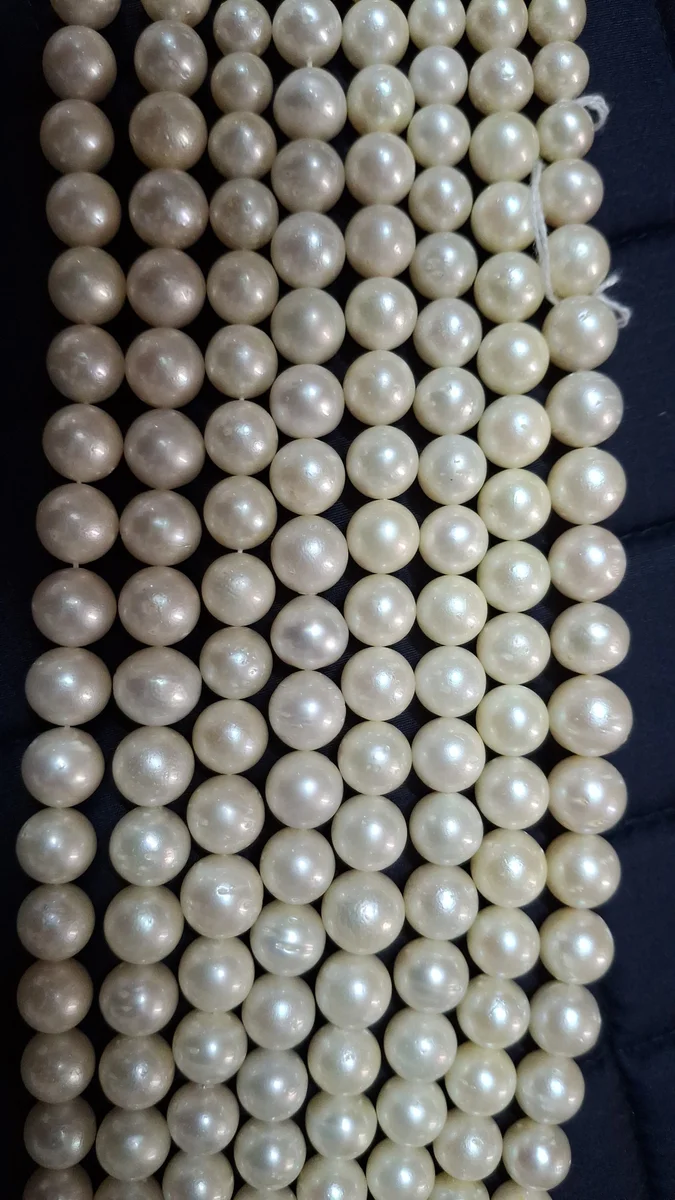
The Ultimate Luxury: Why South Sea Pearls Are the World’s Most Coveted Gems
The Queen of Gems: The Ultimate Guide to South Sea Pearls
When it comes to organic gemstones, nothing matches the quiet majesty of South Sea pearls. Often called the "Queen of Gems," these breathtaking treasures are the most valuable and sought-after cultured pearls on the planet.
Unlike their mirror-like Japanese Akoya counterparts or budget-friendly freshwater variants, South Sea pearls are celebrated for their monumental size, deep satiny luster, and unparalleled luxury.
What Makes South Sea Pearls So Special?
South Sea pearls are grown in the pristine, warm waters of the Southern Hemisphere—primarily across Australia, Indonesia, and the Philippines. Their extreme value comes down to three factors:
The Mammoth Oyster: They are cultivated inside the Pinctada maxima oyster, the largest pearl-producing mollusk in the world.
Time and Rarity: While other oysters can grow multiple pearls at once, the Pinctada maxima hosts only one pearl at a time. The oyster requires two to four years to nurture a single pearl, making the farming cycle incredibly slow and vulnerable to nature.
Unrivaled Size: Because of the host's massive size, South Sea pearls routinely average 8mm to 20mm in diameter, dwarfing standard 6mm Akoyas.
Average Size Comparison:
[ Akoya Pearl: 6-7mm ] 🟢
[ South Sea Pearl: 8-20mm ] 🔴🔴🔴
The Natural Palette: White vs. Golden
The Pinctada maxima oyster comes in two distinct varieties, each producing a different, completely natural color profile that requires no artificial dyes or treatments:
Oyster Variety | Primary Colors | Cultivation Region | Aura & Undertones |
|---|---|---|---|
Silver-Lipped Oyster | White, Silver, Cream | Northwest Coast of Australia | Features icy silver or soft pink overtones; timeless and bridal. |
Gold-Lipped Oyster | Champagne, Canary Yellow, Deep Gold | Philippines & Indonesia | Radiates warmth; deeper golden hues yield extreme premiums. |
The Signature "Satiny" Glow
If you look closely at a South Sea pearl, you won't see a sharp, mirror-like reflection. Instead, you’ll notice a deep, internal glow that gemologists refer to as a satiny luster.
This phenomenon is caused by their exceptionally thick nacre layers (ranging from 2.0 mm to 6.0 mm). As light travels through these thousands of microscopic layers of crystalline calcium carbonate, the light refracts from deep within the pearl rather than just bouncing off the surface. This thick coating also makes South Sea pearls highly durable heirlooms that won't lose their glow over generations if properly cared for.
Finding Your Perfect Shape: Round vs. Baroque
While a perfectly spherical South Sea pearl is the pinnacle of traditional luxury—accounting for less than 10% of total harvests—nature often has other plans.
Round & Near-Round: The classic, ultra-rare choice for uniform strands and formal settings.
Drop & Oval: Stunningly symmetrical options that make perfect teardrop earrings or statement pendants.
Baroque: Completely irregular, artistic shapes. Modern jewelry designers heavily favor baroque pearls because no two are alike, allowing for completely custom, contemporary fashion pieces.
Smart Buyer Tips: Avoiding Counterfeits
Because genuine South Sea pearls command premium luxury prices, the market sees plenty of imitations. Commonly, lower-value freshwater pearls are dyed or treated to look like golden South Sea gems.
When buying, remember that authentic gems will feel slightly heavier due to their dense nacre. They will also feature slight natural imperfections rather than a synthetic, suspiciously perfect surface. To safeguard your investment, always buy from trusted dealers who provide an independent authenticity certificate or lab report detailing the origin and characteristics of the gem.
